
Best multimodal ai tools in 2026 Last year my browser had eleven tabs open just to finish one blog post. One tab for writing, one for a stock photo site, one for a voice generator, one for grammar checks. It felt more like managing tools than actually creating anything.
That changed once I started using multimodal AI tools properly instead of just poking around with them. A single tool that reads a document, looks at an image, and writes a reply in the same conversation saves more time than people realize until they actually try it.
This guide covers the best multimodal AI tools in 2026, based on real day-to-day use, not a spec sheet copied from a press release. I’ll walk through what these too
ls do differently, which ones are worth your time, how to use them properly, and the new kind of jobs this shift is quietly creating.
What Is Multimodal AI (In Simple Words)

Best multimodal ai tools in 2026 one that handles more than plain text. It can look at a photo, listen to audio, read a PDF, and reply in a normal conversation, without you switching apps.
Older AI tools mostly took words in and gave words out. This works more like a person who can read, watch, and listen at the same time.
How It’s Different From Old-School AI Tools
Think about a normal chatbot from a few years back. You could only type. If you wanted an image described or a document summarized, you had to use three separate tools and copy-paste results between them. Multimodal AI removes those extra steps. One tool understands the full picture, literally.
My Personal Experience Using These Tools

I did not switch to multimodal AI tools because of hype. I switched because I got tired of losing thirty minutes just moving files between apps.
The real test came during a week when I had a document to summarize, a screenshot with data I needed explained, and a rough draft that needed a second opinion. I dropped all three into one conversation instead of three different tools. That single change is what convinced me these tools deserve the attention they’re getting in 2026.
What Changed After I Switched
The biggest shift was speed, not quality. Research that used to take an hour of switching tabs now takes fifteen minutes inside one chat. I also stopped losing context — explaining the same project three times to three different tools used to eat up more time than the actual work itself.
Best Multimodal AI Tools in 2026 (Compared)

Comparing ChatGPT, Gemini, and Claude for content creators — no single tool wins at everything. Each one is better at a different part of the job.
ChatGPT
Best for: everyday writing, brainstorming, and image-based questions.
Strengths: It’s the most flexible all-rounder. Throw a screenshot, a rough idea, or a half-written paragraph at it and you’ll get something usable back fast.
Limitations: For long documents or research-heavy work, it can lose track of details you mentioned earlier in a long chat.
Google Gemini
Best for: anyone already living inside Gmail, Docs, and Drive.
Strengths: Handles long documents, video, and audio well, and plugs straight into the Google apps most people already use daily.
Limitations: Outside the Google ecosystem, it feels less essential.
Claude
Best for: careful writing, document analysis, and reading images or charts.
Strengths: It’s the one I reach for when something needs to be read closely and explained properly instead of skimmed. Long reports and messy screenshots are where it holds up best.
Limitations: Not built for generating images or video the way some other tools are.
In practice, most creators end up pairing two of these rather than picking one — Gemini or ChatGPT for daily writing, Claude for anything that needs a closer read.
How to Use Multimodal AI Tools (Step-by-Step)
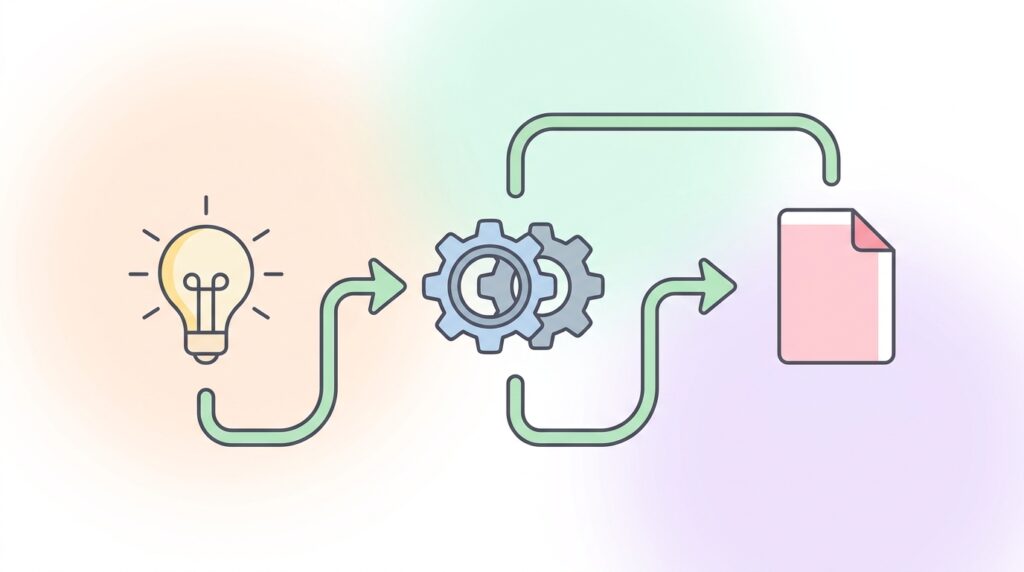
Step 1 – Decide What You’re Creating
Before opening any tool, get clear on the output — a blog post, a script, an image, a summary. Multimodal tools reward a clear ask more than a vague one.
Step 2 – Pick the Right Tool for the Job
Don’t force one tool to do everything. Use the strongest one for the specific task — writing, reading a document, or explaining an image — based on what actually works best for that job.
Step 3 – Combine Tools Into One Workflow
Feed the same context across tools instead of starting fresh each time. Paste your outline into the next tool rather than re-explaining the whole project from scratch. This alone saves more time than any single feature these tools offer.
New Job Opportunities Multimodal AI Is Creating
This shift isn’t just replacing old tasks — it’s creating new roles nobody had a title for two years ago.
AI Prompt & Content Strategist
Someone who knows how to get the right output from these tools consistently, not just occasionally. Businesses are hiring for this specifically now, not treating it as a side skill.
AI Video Editor & Workflow Specialist
People who can take an AI-generated draft — script, visuals, voiceover — and stitch it into something polished, so it doesn’t feel like three separate pieces glued together. That polishing step is where the real skill sits now.
Voice & Localization Specialist
AI voice tools have gotten good, but not perfect. Someone still needs to catch the flat line, fix the pacing, and adapt content for different languages properly. That’s a paid skill now, not a nice-to-have.
Multimodal AI Tools Comparison Table
| Tool | Best For | Weak Point |
|---|---|---|
| ChatGPT | Everyday writing, quick answers | Loses context in long chats |
| Gemini | Google Workspace users | Less useful outside Google apps |
| Claude | Careful reading, long documents | No image or video generation |
Frequently Asked Questions
Is multimodal AI free to use in 2026?
Most major tools have a free tier that’s genuinely good enough for regular use. Paid plans mostly unlock longer context and higher limits, not a completely different tool.
Which one should a beginner start with?
Pick whichever tool fits your daily apps already. If you live in Gmail and Docs, start with Gemini. If not, ChatGPT has the gentlest learning curve.
Final Thoughts
Best multimodal ai tools in 2026? None of these tools are magic, and none of them are trying to replace you. What they actually do is remove the boring parts of the job — the searching, the re-explaining, the switching between five tabs just to finish one task.
If you’re just starting, pick one tool and actually live in it for two weeks before judging it. Most people give up on day three, right when it starts getting useful.
2026 isn’t really about which AI tool wins. It’s about which one fits how you already work. The best multimodal AI tools in 2026 aren’t the ones with the longest feature list — they’re the ones you’ll open tomorrow morning without thinking twice about it.
That’s the whole test, really.