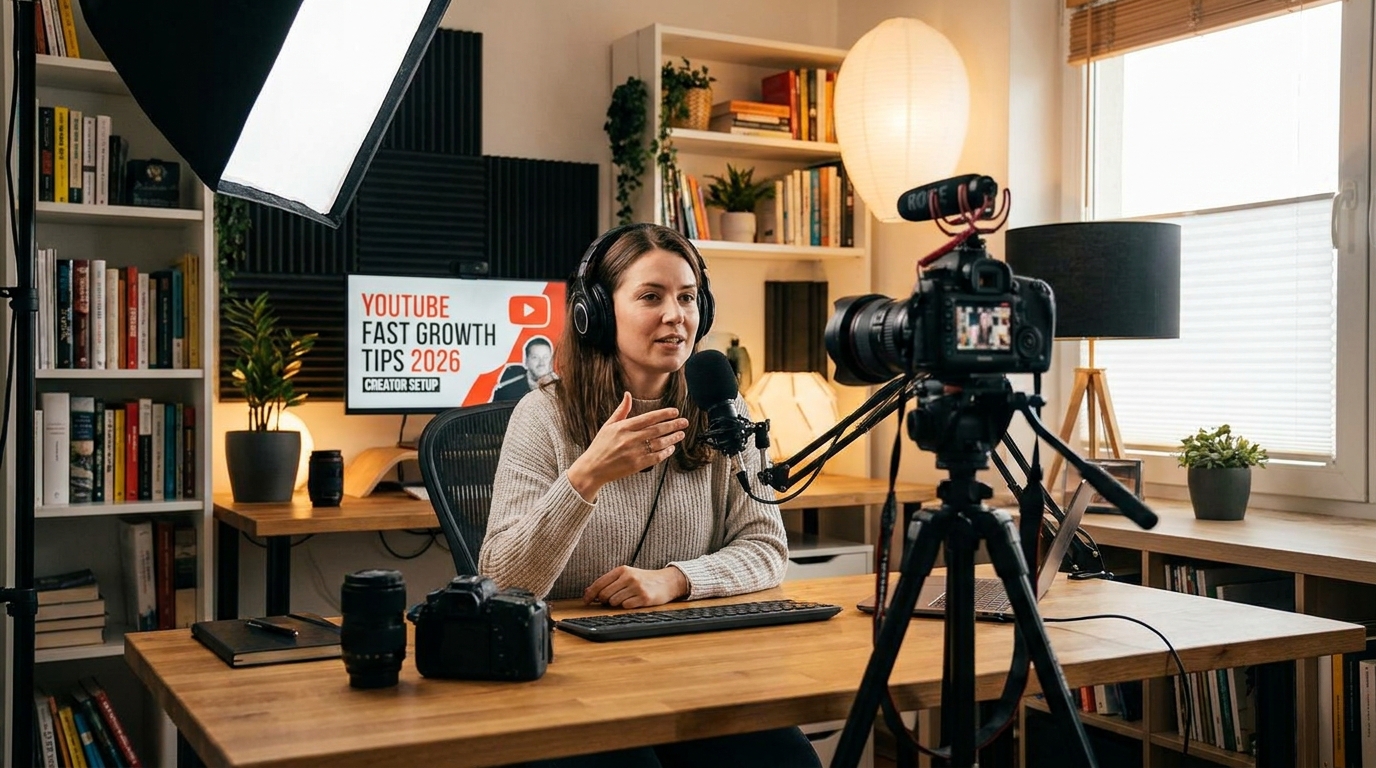
I have been uploading videos on YouTube for a few years now there is one thing I learned what worked in 2023 does not work the same way in 2026. I used to think longer videos automatically meant more watch time, and more watch time automatically meant more views. That belief cost me months of slow growth on one of my own channels.
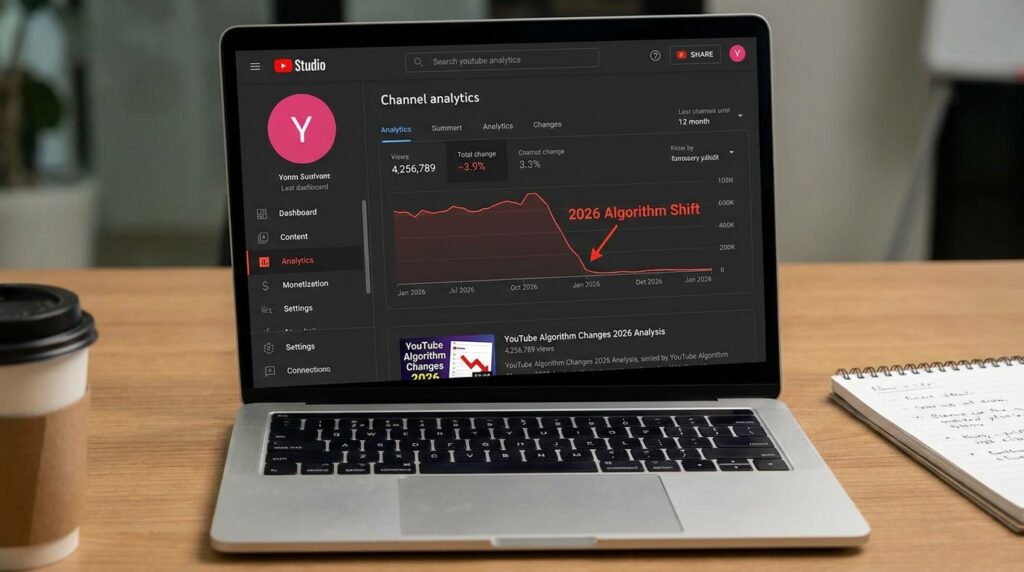
Somewhere around late 2025, I noticed something strange. A ten minute video with people dropping off halfway was getting buried, while a shorter, tighter video with almost no drop off was getting pushed to new audiences. At first I thought it was luck. It was not luck. It was the algorithm quietly changing how it decides who deserves to be seen.
This post is not another recycled list of “post consistently” and “use good thumbnails.” Those tips are not wrong, but they are incomplete. I want to walk you through what is actually different about YouTube growth in 2026, based on what I have tested myself, and how you can use it to grow faster without guessing.
My Honest Experience With YouTube Growth Before 2026
Before all these changes, my strategy was simple. Upload longer videos, stuff the description with keywords, ask people to like and subscribe every thirty seconds, and hope the algorithm noticed. For a while, it actually worked. My videos would get a decent push in the first few hours, and if watch time looked strong, YouTube would recommend it a bit more.
But somewhere in 2025, that push started feeling weaker. Videos with the exact same format were getting less reach than before. I kept blaming the thumbnail or the title, changed both multiple times, and still saw the same flat results. It took me a while to realize the problem was not my thumbnail. The problem was that YouTube was no longer measuring success the way it used to.
What Used To Work (And Why It Stopped)
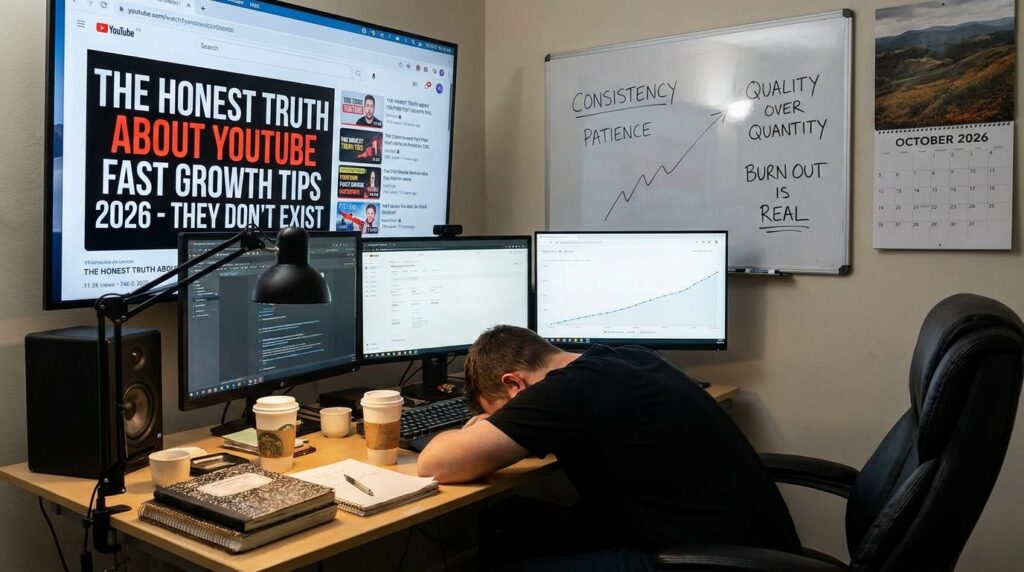
Old-school growth was built around one number: total watch time. Upload more minutes, keep people watching, win. That is why so many creators stretched a five minute video into twelve minutes with padding and repetition. In 2026, that same padding actively hurts you, because YouTube now looks at whether people were satisfied, not just whether they stayed.
What’s Actually Different in the YouTube Algorithm in 2026
This is the part most creators skip, and it is the exact reason a lot of channels feel stuck right now. The rules did not just get an update. They shifted in a way that rewards a completely different kind of content.
Satisfaction Beats Watch Time Now
Watch time still matters, but it is no longer the main scoreboard. YouTube now blends watch time with satisfaction signals, things like whether people came back, whether they clicked away and never returned, and how they responded in surveys. In plain words, YouTube is asking “did this person actually enjoy what they watched,” not just “did they sit through it.”
I tested this myself by trimming a video from eleven minutes to just under seven, cutting every bit of filler. The shorter version had a higher completion rate and ended up reaching more new viewers than the original longer version did. That was the moment this stopped being theory for me and became something I actually trust.
Session Contribution Is the New King
Session contribution measures something simple: after someone watches your video, do they stay on YouTube and watch more, or do they close the app. If your video leads to another video being watched, that is a strong signal. If people bounce right after, your growth slows down even if the video itself did fine on its own.
This is why I started designing videos in pairs now. One video naturally leads into a follow-up topic, almost like a part one and part two, without forcing it. It genuinely changed how often my videos got suggested next to each other.
Shorts and Long-Form Run on Separate Engines
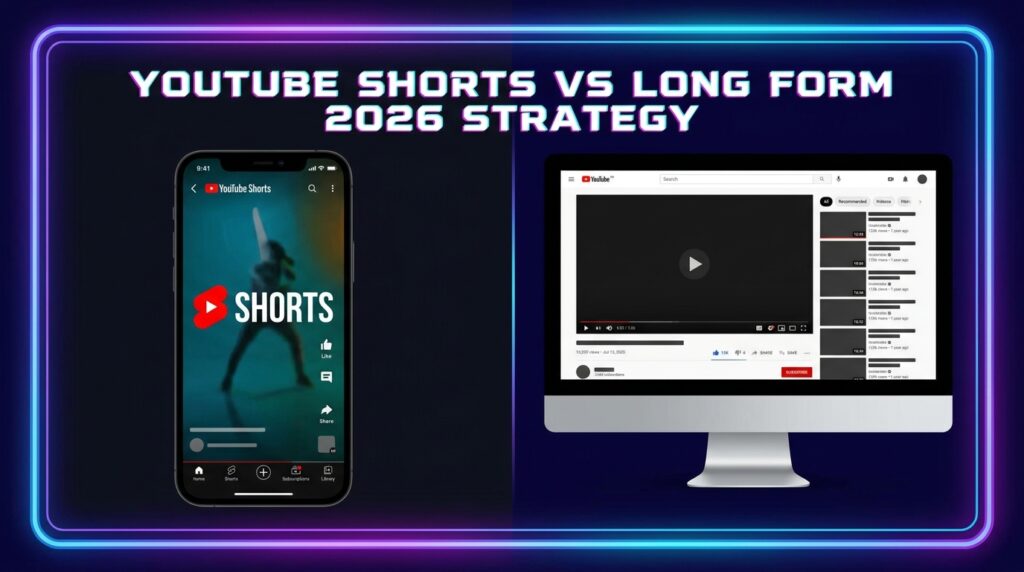
This one surprised me the most. I used to think a Short and a long video were judged by the same algorithm, just in different shapes. That is not true anymore. Shorts are judged by swipe rate and loop rate, meaning how often people watch it again or keep scrolling past it quickly. Long-form videos are judged by retention and satisfaction over a longer stretch.
What this means for you is simple. Do not just chop your long video into a Short and expect it to perform the same way. A Short needs its own hook, usually within the first one or two seconds, or people swipe away before your message even lands. I learned this by uploading the exact same clip as a Short with two different openings. The version with a stronger hook doubled the completion rate compared to the plain version.
Browse Feed Now Uses Watch History Clusters
The home feed used to recommend videos based on broad categories, like cooking or gaming. In 2026, YouTube groups viewers into much smaller behavior clusters based on their actual watching patterns, not just their general interests.
This means two people who both like tech videos might see completely different recommendations, because one watches long tutorials at night and the other watches quick reviews on lunch break. For creators, this is actually good news. It means your content does not need to appeal to everyone in a broad category. It needs to genuinely fit the specific habits of a smaller group of viewers who already behave like your ideal audience.
YouTube Fast Growth Tips 2026 (Step-by-Step Guide)
Now that you understand what changed, here is how I actually apply it to my own channels.
Fix Your First 30 Seconds
The first thirty seconds of a long-form video still decide almost everything. If people drop off here, no algorithm shift will save your video. I stopped using slow intros completely. No logo animation, no “hey guys welcome back,” nothing that delays the actual value. I open with the exact result or the exact problem the viewer came for, within the first few seconds.
Use Shorts to Feed Your Long-Form Videos
Shorts are not there to replace your main content. Think of them as a doorway. I use Shorts to introduce a small piece of a bigger idea, and let curious viewers come to the full video for the rest. This single change brought me more new viewers to my long-form content than any thumbnail redesign ever did.
Post With a Predictable Rhythm
YouTube still rewards consistency, but not in the way people think. It is not about posting every single day. It is about being predictable enough that your regular viewers build a habit around your uploads. I post on the same two days every week, and that rhythm alone has kept my returning viewer percentage steady.
Reply to Comments Like a Human, Not a Bot
There was a real shift in how engagement gets weighted. Likes carry less weight than they used to, while comments and genuine replies carry more. I started replying to comments the same day a video goes live, not with generic one-word replies, but actual responses. It sounds small, but the comment section became noticeably more active within a few weeks, and that activity feeds directly into the algorithm’s engagement signals.
Stop Chasing Views, Start Chasing Session Time
This was the hardest habit to break. I used to check views first thing every morning. Now I check something different: did people watch another video after mine. If a video sends people deeper into YouTube instead of out of the app, that video is doing its job even if the view count looks average at first.
Mistakes I Made That Slowed My Growth
I want to be honest here, because most growth posts skip this part. I padded videos with unnecessary intros for way too long before I noticed it was hurting me. I also ignored comments for weeks at a time, assuming likes were enough. And I treated every Short like a trailer for my long videos instead of giving it its own proper hook. Fixing these three things alone made a bigger difference than any single tool or hack I tried.
Tools I Personally Use to Track Growth
I do not rely on YouTube Studio alone anymore, though it is still my starting point every morning. I check average view duration first, since that single number tells me more about satisfaction than total views ever could. I also keep an eye on the traffic source breakdown, especially how much is coming from suggested videos versus search, since that tells me whether my content is being trusted by the algorithm or just found by people actively searching for it.
For thumbnail and title testing, I use the built-in A/B testing feature inside Studio Analytics instead of guessing. I run two versions for a few days and let the actual click-through data decide, instead of trusting my own opinion about which one looks better.
Is 2026 Really a Good Time for New Channels?
Honestly, yes, more than people expect. Small channels are getting tested faster than before, meaning a new channel with almost no subscribers can still get pushed to a wider audience if the first few uploads perform well. I have seen this happen firsthand with a channel I started fresh this year. It had no existing audience, no shortcuts, and still managed to get real traction within the first month, simply because the content held attention and gave people a reason to watch till the end.
This does not mean growth is instant or guaranteed. It means the door is open wider than it has been in a while, especially for creators willing to actually understand how the platform is evaluating content right now, instead of copying tactics that stopped working over a year ago.